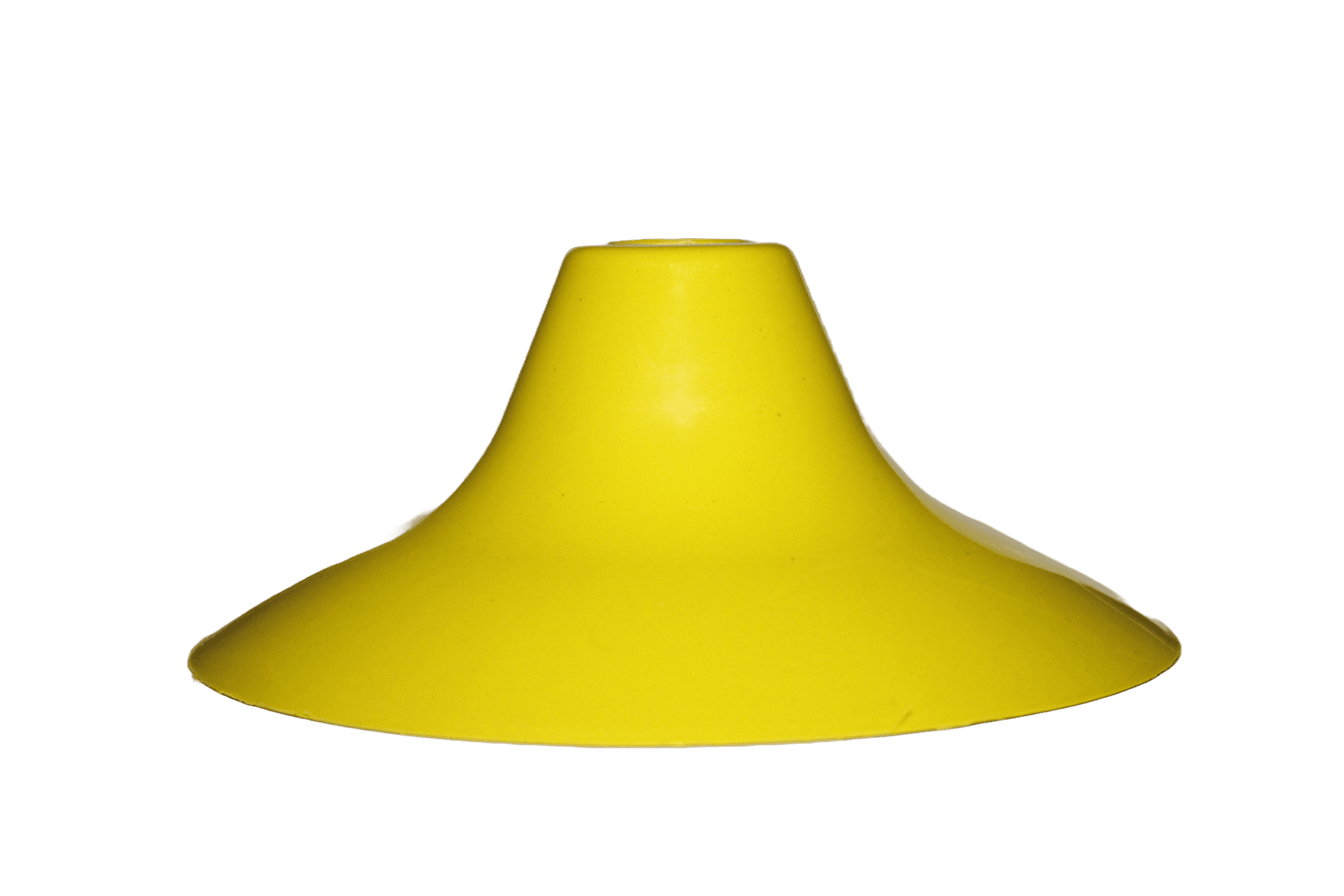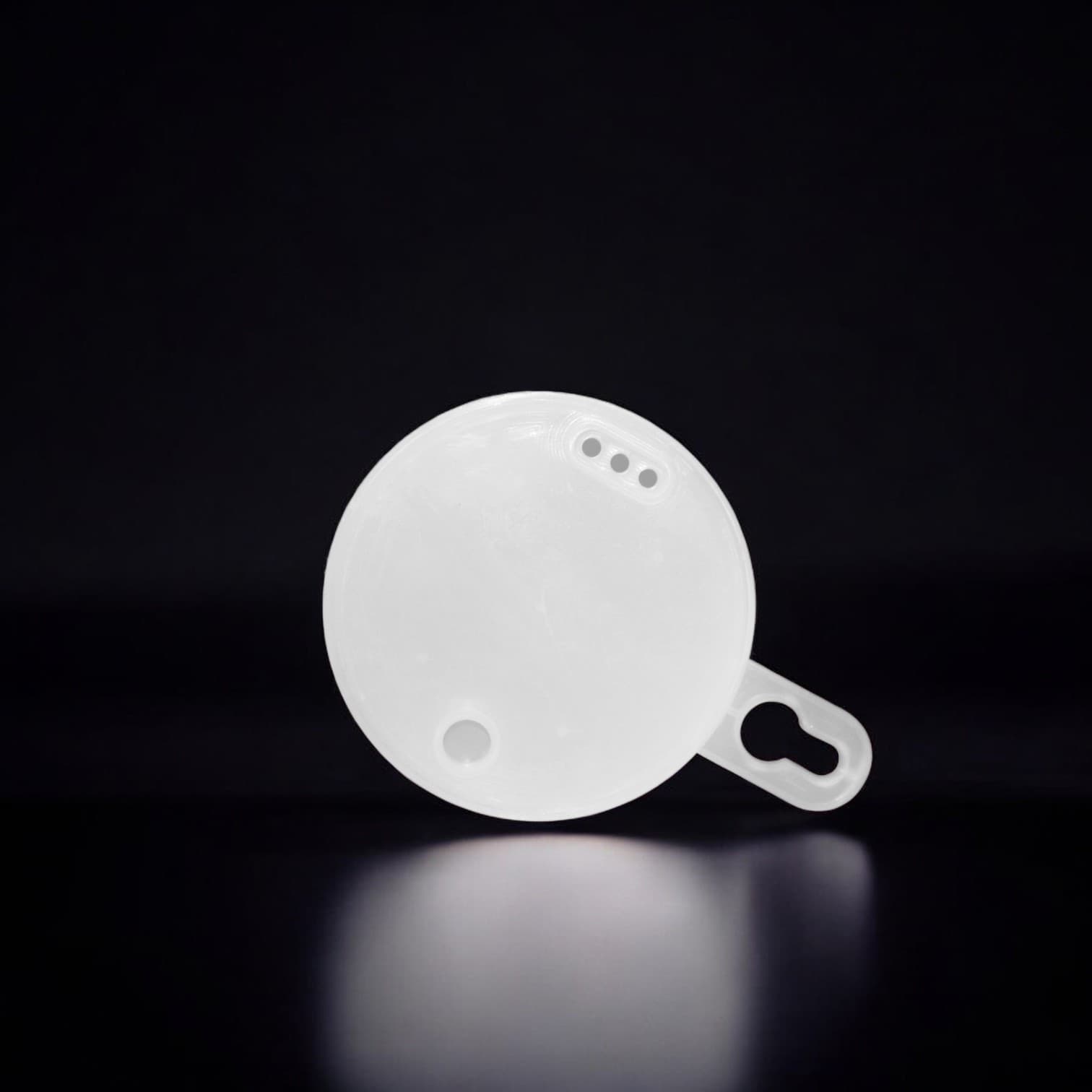
An LDR sensor cover shields and supports the light-sensing component used in automatic day-night lighting systems. The sensor must still receive representative ambient daylight, so correct placement matters as much as the cover itself. A cover protects the sensing area from incidental contact and weather exposure only to the extent stated by the complete product specification.
What does an LDR sensor do?
LDR stands for light-dependent resistor. Its electrical resistance changes with the amount of light falling on it. A compatible control circuit interprets that change and can switch a lamp on when ambient light falls below a set level, then switch it off after daylight returns.
The LDR is only one part of the system. A working automatic light normally includes:
- a light-sensing component;
- a control or switching circuit;
- a suitable enclosure or cover;
- correctly rated wiring and load connections;
- an outdoor luminaire where the application requires one.
Lumni supplies an LDR sensor cover and an LDR sensor with cover, module type for compatible automatic-lighting applications.
Why is a sensor cover used?
The cover provides a defined mounting position and helps protect the sensor component from accidental contact, dust and direct exposure. Its shape can also limit stray light reaching the sensor from unsuitable angles. However, a cover should not be treated as proof that the entire control assembly has a particular ingress-protection rating. Confirm the rating of the complete assembled product if rain or dust exposure is expected.
Where should an LDR sensor be installed?
Install the sensor where it can observe natural ambient light without seeing the lamp it controls. A useful position is usually open to the sky or general daylight but shielded from direct glare, vehicle headlights and concentrated reflections.
Placement checklist
- Keep the sensor outside the direct beam of the controlled lamp.
- Avoid deep shade that stays dark during daytime.
- Avoid positions behind signs, tree growth or building projections.
- Keep water from collecting around cable entries or the sensing window.
- Make the unit accessible for inspection without unsafe climbing.
- Follow the module manufacturer's orientation and wiring instructions.
If the controlled lamp shines directly onto the sensor, the system may cycle: the lamp turns on, illuminates the sensor, turns off and then repeats. Repositioning or shielding the sensor from the lamp beam is usually more effective than changing lamps.
Common LDR lighting problems
| Symptom | Possible cause | Check |
|---|---|---|
| Light remains on during daytime | Sensor is shaded, covered with dirt, miswired or faulty | Clean the sensing area and check whether daylight reaches it |
| Light does not turn on at night | Nearby lighting reaches the sensor, supply is absent or control/load wiring is incorrect | Temporarily remove stray light and test the electrical supply safely |
| Light switches on and off repeatedly | Controlled lamp or passing headlights are illuminating the sensor | Change sensor angle or location |
| Switching time is too early | Sensor position is darker than the surrounding area | Move it to a position with more representative ambient light |
| Switching time is too late | Strong local light or reflections reach the sensor | Identify and shield the unwanted light source |
Do not bypass electrical protection or work on live wiring while troubleshooting. A qualified electrician should check supply voltage, switching contacts, load rating, earthing and insulation.
Cover-only vs module-type product
A cover-only product is intended for use with a compatible sensing component and assembly. A module-type product combines more of the sensing and control arrangement. Buyers should confirm what is included, the supported supply, load limits, wiring method and enclosure requirements before ordering.
For a bulk enquiry, provide:
- whether a cover only or sensor module is required;
- the luminaire or controller it must work with;
- supply and load information from the equipment label;
- indoor, sheltered outdoor or exposed location;
- required quantity and delivery PIN code.
Using sensors with street lights
Automatic controls can reduce unnecessary daytime operation, but the lighting design still needs suitable light output, distribution and maintenance. India's Bureau of Energy Efficiency advises considering lumen output, lumen maintenance, dirt depreciation and control requirements when planning street lighting in its Energy Efficient Street Lighting Guidelines.
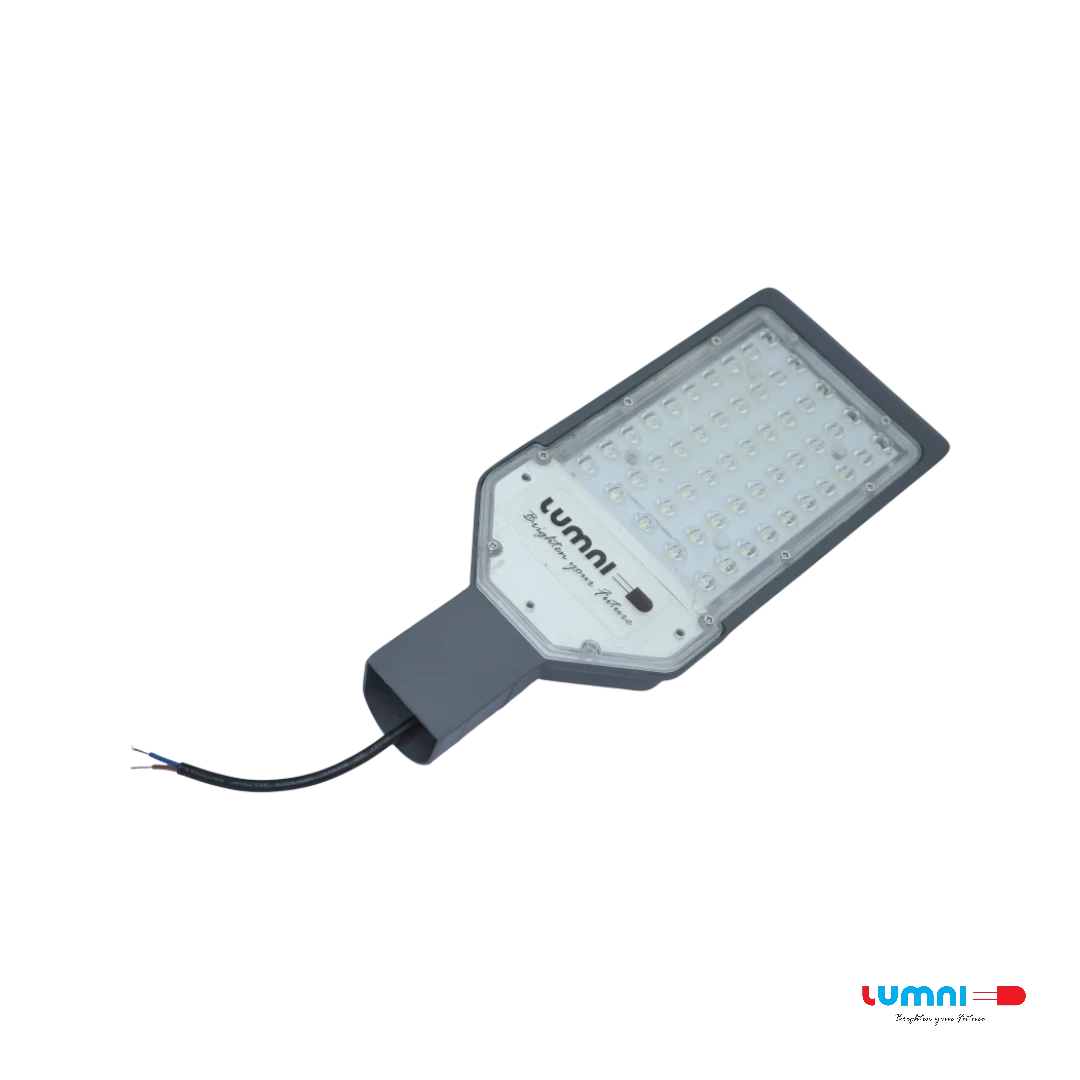
Pair a compatible sensor system with the appropriate 24 W street light, 50 W street light or 72 W street light only after checking the controller's load rating and installation instructions.
Final answer
An LDR sensor cover protects and positions the light-sensing component, but reliable switching depends on representative daylight exposure, correct wiring and suitable control electronics. Place the sensor away from the controlled lamp's beam, keep the sensing area clean and confirm the complete assembly's environmental rating. Use the contact page to share application details when selecting covers or module-type sensors in quantity.